

Plenáris előadó
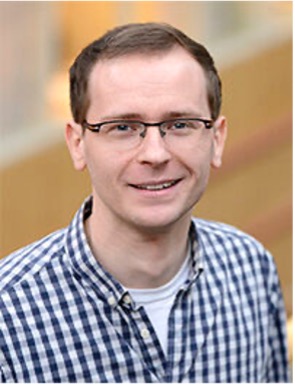
Ronny Scherer
University of Oslo, Centre for Educational Measurement at the University of Oslo (CEMO) and Centre for Research on Equality in Education (CREATE)
Two Pillars, One Framework: How Meta-Analyses and ILSAs Can—and Should—Work Together
Meta-analyses and international large-scale assessments (ILSAs) are two of educational research’s powerful tools for generating policy-relevant evidence—yet they have largely developed in parallel. This keynote argues that treating these sources separately is a missed opportunity and presents a framework for bridging them.
Drawing on individual-participant and aggregated data meta-analysis, two complementary approaches are described: synthesizing effect sizes directly from ILSA data across countries and cycles and integrating ILSA-derived effects into broader meta-analyses alongside non-ILSA studies. Both approaches address well-known weaknesses of conventional meta-analyses—small samples, insufficient psychometric quality, and cultural selection bias—while leveraging ILSAs’ strengths in representativeness and measurement rigor.
The framework is illustrated through empirical examples examining effect sizes across countries, cycles, and subgroups. These examples reveal how integrated analyses can uncover meaningful divergences between ILSA and non-ILSA data sources in overall effects, heterogeneity, and moderator patterns—differences that remain invisible when the two evidence streams are analyzed in isolation.
The keynote closes with broader questions for the field: When should ILSAs be included in meta-analyses? What do discrepancies between evidence sources reveal? And what does integration mean for cumulative evidence in educational assessment?
Kerekasztal beszélgetés
AI az iskolapadban: forradalom vagy csak egy újabb eszköz?
A kerekasztal-beszélgetés a mesterséges intelligencia és az oktatás kapcsolatát vizsgálja, különös tekintettel arra, hogy e technológiák miként alakítják át a tanulás, a tudás és az információ értelmezésének kereteit.
A generatív mesterséges intelligencia térnyerése nemcsak új lehetőségeket teremt, hanem alapvető kérdéseket és dilemmákat is felvet az oktatás számára. A beszélgetés célja ezen kihívások kritikai vizsgálata, különös figyelemmel azokra a változásokra, amelyek a megértés, az értelmezés és a kritikai gondolkodás területén jelentkeznek.
A kerekasztal többek között az alábbi kérdéseket tárgyalja:
- Hogyan alakul a tudás fogalma és értéke a gyorsan hozzáférhető információk korában?
- Milyen hatással van a generatív mesterséges intelligencia a szövegértésre, az információ értelmezésére, a gondolkodási képességekre?
- Milyen új kihívásokat vet fel a pedagógiai értékelés szempontjából?
- Milyen pedagógiai válaszok adhatók azokra a helyzetekre, ahol a tanulói teljesítmény és az önálló tudáskonstrukció nehezebben különíthető el?
A beszélgetés multidiszciplináris megközelítésben tárgyalja a témát: az oktatáskutatás és az informatikai nézőpont egyaránt megjelenik, lehetőséget teremtve a jelenség mélyebb megismerésére.
Résztvevők:
Brent Duckor (San José State University, USA)
Carrie Holmberg (San José State University, USA)
Mari-Pauliina Vainikainen (University of Tampere, Finnország)
Berend Gábor (Szegedi Tudományegyetem)
Moderátor:
Kocsis Ádám (Szegedi Tudományegyetem)
Ronny Scherer
University of Oslo, Centre for Educational Measurement at the University of Oslo (CEMO) and Centre for Research on Equality in Education (CREATE)
Two Pillars, One Framework: How Meta-Analyses and ILSAs Can—and Should—Work Together
Meta-analyses and international large-scale assessments (ILSAs) are two of educational research’s powerful tools for generating policy-relevant evidence—yet they have largely developed in parallel. This keynote argues that treating these sources separately is a missed opportunity and presents a framework for bridging them.
Drawing on individual-participant and aggregated data meta-analysis, two complementary approaches are described: synthesizing effect sizes directly from ILSA data across countries and cycles and integrating ILSA-derived effects into broader meta-analyses alongside non-ILSA studies. Both approaches address well-known weaknesses of conventional meta-analyses—small samples, insufficient psychometric quality, and cultural selection bias—while leveraging ILSAs’ strengths in representativeness and measurement rigor.
The framework is illustrated through empirical examples examining effect sizes across countries, cycles, and subgroups. These examples reveal how integrated analyses can uncover meaningful divergences between ILSA and non-ILSA data sources in overall effects, heterogeneity, and moderator patterns—differences that remain invisible when the two evidence streams are analyzed in isolation.
The keynote closes with broader questions for the field: When should ILSAs be included in meta-analyses? What do discrepancies between evidence sources reveal? And what does integration mean for cumulative evidence in educational assessment?
Kerekasztal beszélgetés
AI az iskolapadban: forradalom vagy csak egy újabb eszköz?
A kerekasztal-beszélgetés a mesterséges intelligencia és az oktatás kapcsolatát vizsgálja, különös tekintettel arra, hogy e technológiák miként alakítják át a tanulás, a tudás és az információ értelmezésének kereteit.
A generatív mesterséges intelligencia térnyerése nemcsak új lehetőségeket teremt, hanem alapvető kérdéseket és dilemmákat is felvet az oktatás számára. A beszélgetés célja ezen kihívások kritikai vizsgálata, különös figyelemmel azokra a változásokra, amelyek a megértés, az értelmezés és a kritikai gondolkodás területén jelentkeznek.
A kerekasztal többek között az alábbi kérdéseket tárgyalja:
- Hogyan alakul a tudás fogalma és értéke a gyorsan hozzáférhető információk korában?
- Milyen hatással van a generatív mesterséges intelligencia a szövegértésre, az információ értelmezésére, a gondolkodási képességekre?
- Milyen új kihívásokat vet fel a pedagógiai értékelés szempontjából?
- Milyen pedagógiai válaszok adhatók azokra a helyzetekre, ahol a tanulói teljesítmény és az önálló tudáskonstrukció nehezebben különíthető el?
A beszélgetés multidiszciplináris megközelítésben tárgyalja a témát: az oktatáskutatás és az informatikai nézőpont egyaránt megjelenik, lehetőséget teremtve a jelenség mélyebb megismerésére.
Résztvevők:
Brent Duckor (San José State University, USA)
Carrie Holmberg (San José State University, USA)
Mari-Pauliina Vainikainen (University of Tampere, Finnország)
Berend Gábor (Szegedi Tudományegyetem)
Moderátor:
Kocsis Ádám (Szegedi Tudományegyetem)